



At least 72 riverine robbers surrendered to the authorities, as part of the provincial government’s newly implemented ‘Sindh Surrender Policy’, according to a press release issued by the Sindh Home Ministry on Wednesday.
The policy, approved earlier this month, will allow thieves to hand over weapons in exchange for guarantees of protection for their families, rehabilitation and support for their livelihoods.
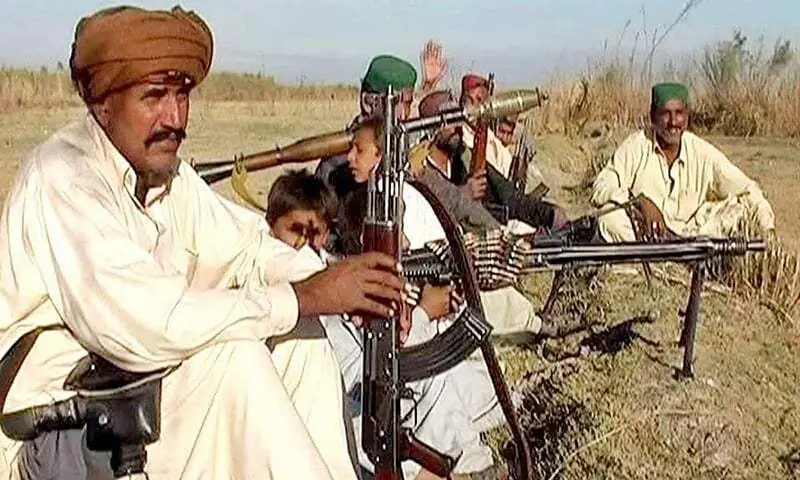
For decades, dozens of robber gangs armed with sophisticated weaponry have operated with impunity in northern Sindh and southern Punjab. Kidnappings for ransom, extortions that cripple local businesses, brutal murders and highway looting have become a daily reality.
According to a press release from the Home Department, “around 72 robbers surrendered under the Sindh Surrender Policy and deposited more than 200 heavy and small scale ammunition.”
Armament includes: 62 G3 rifles, 97 submachine guns, 48 double-barrel guns, two RPG 7, one recoilless anti-tank rifle and one 12.7 mm anti-aircraft gun.
The robbers who surrendered received a cumulative reward of Rs 60 million on their heads, according to the press release.
Earlier, at a ceremony held to mark the official launch of the policy, a Rangers sector commander said: “Today, more than 70 robbers have surrendered to the law and 209 weapons have been surrendered,” according to a separate press release from the home department.
The ceremony was held at the office of Senior Superintendent of Police in Shikarpur where Sindh Home Minister Zia-ul-Hassan Lanjar was the chief guest.
The ceremony was attended by: Inspector General of Police (IGP) Sindh Ghulam Nabi Memon, Deputy Inspector General (DIG) Larkana, officers of Sindh Rangers and other officials. MPA Imtiaz Ahmed Shaikh, Shehryar Mahar, Abid Bhayo, Gul Muhammad Jakhrani and other Pakistan People’s Party leaders were also present, the press release said.
The Rangers official detailed that so far “a total of 282 thieves had requested surrender under the policy, of which 70 requests have been approved.”
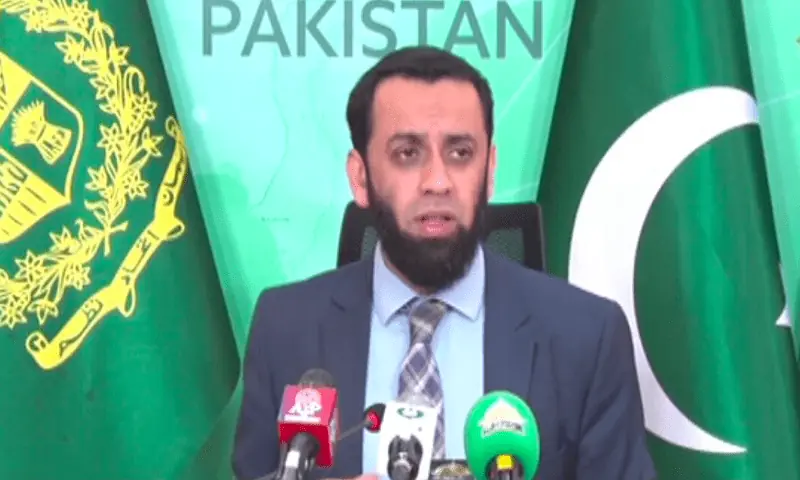
Addressing the robbers at the ceremony, the Home Minister said: “You have taken a commendable step in surrendering to the law because it reflects your desire to become peaceful and law-abiding citizens.”
“After serving his sentences, he will once again be part of the peace-loving community of this city and this country,” he added.
The minister further ordered his fellow thieves to do the same so that their families living in the riverside areas can receive basic services, warning that: “Surrender, otherwise we will come after you inside your hiding places, because you are enemies of the poor and their property.”
The minister, in his speech, also “appreciated the tribal chiefs for their cooperation with the government in this matter.”
Lanjar assured the thieves that the “Sindh government wants to ensure education and a bright future for the children of those who have surrendered.”
Regarding the law and order situation in Sindh, IGP Sindh noted that the situation was “gradually improving”.
“Kidnapping for ransom had been a challenge for more than 40 years, but now it is almost over, and areas that were once full of thieves are now completely clean,” he was quoted as saying.
“A total of 171 thieves have been killed and 421 have been captured. [and] injured during police operations. “This is our greatest success,” he said.
Sindh surrender policy
On October 7, the Sindh cabinet approved a policy that would allow robber gangs in the province’s riverine areas to lay down their arms and surrender in exchange for government guarantees.
Officials told cabinet members that following successful security operations and extensive negotiations with local communities, many thieves had expressed their willingness to surrender voluntarily.
Key features of the policy include mandatory disarmament, protection of families, rehabilitation and livelihood support, and access to education, healthcare and vocational training.
The provincial government would also revive schools, health, veterinary and development projects in the riverine areas to maintain peace and stability.
However, according to the policy, surrender does not mean forgiveness or immunity, and all people who surrender will face the current law of the country.