




State-owned Oil & Gas Development Company Limited (OGDCL) is planning a major expansion of unconventional gas developments from early next year, with the aim of boosting production and reducing dependence on imported liquefied natural gas.
Pakistan has long been considered to have potential in both shale gas and tight sands, which are trapped in rock and can only be released through specialized drilling, but their commercial production has yet to be demonstrated.
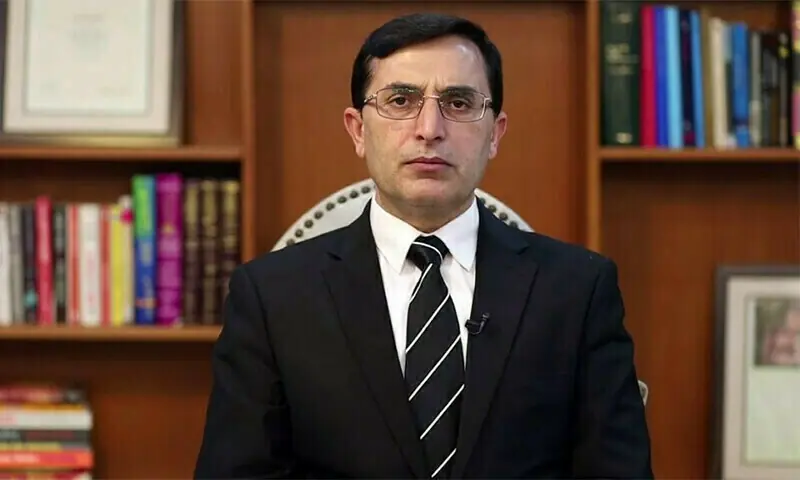
CEO Ahmed Lak said Reuters that OGDCL had tripled its tight gas study area to 4,500 square kilometers after new seismic and reservoir analyzes indicated greater potential. The second phase of a technical evaluation will be completed by the end of January, followed by full development plans.
The renewed push comes after US President Donald Trump said Pakistan had “enormous” oil reserves in July, a statement that analysts said lacked credible geological evidence but which led Islamabad to stress that it is carrying out its own efforts to unlock unconventional resources.
“We started with 85 wells, but the footprint has expanded tremendously,” Lak said, adding that OGDCL’s next five-year plan would be “drastically different.”
Early results point to a “significant” resource in parts of Sindh and Balochistan, where multiple fields show tight gas characteristics, he said.
The shale pilot advances
OGDCL is also accelerating its shale program, moving from a single test well to a five- to six-well plan in 2026-27, with expected flows of 34 million standard cubic feet per day (mmcfd) per well. If successful, the development could scale to hundreds or even more than 1,000 wells, Lak said.
He said shale alone could eventually add between 600 mmcfd and 1 billion standard cubic feet per day of incremental supply, although partners would be needed if the pilot proves viable.
The company is open to partners “on a reciprocal basis,” potentially exchanging overseas areas for stake in Pakistan, he said.
A 2015 U.S. Energy Information Administration study estimated that Pakistan had 9.1 billion barrels of technically recoverable shale oil, the largest such resource outside China and the United States.
A 2022 assessment found parts of the Indus Basin geologically comparable to North American shale plays, although analysts say commercial viability still depends on better geomechanical data, greater fracking capacity and water availability.
OGDCL plans to start drilling a deepwater offshore well in the Indus Basin in the fourth quarter of 2026, Lak said. In October, Türkiye’s TPAO, together with PPL and its consortium partners, including OGDCL, secured a block for offshore exploration.
A combination of weak gas demand, growing use of solar energy and a rigid LNG import schedule has created a gas surplus that forced OGDCL to curb production and pushed Pakistan to divert cargoes from Italy’s ENI and seek revised terms with Qatar.