

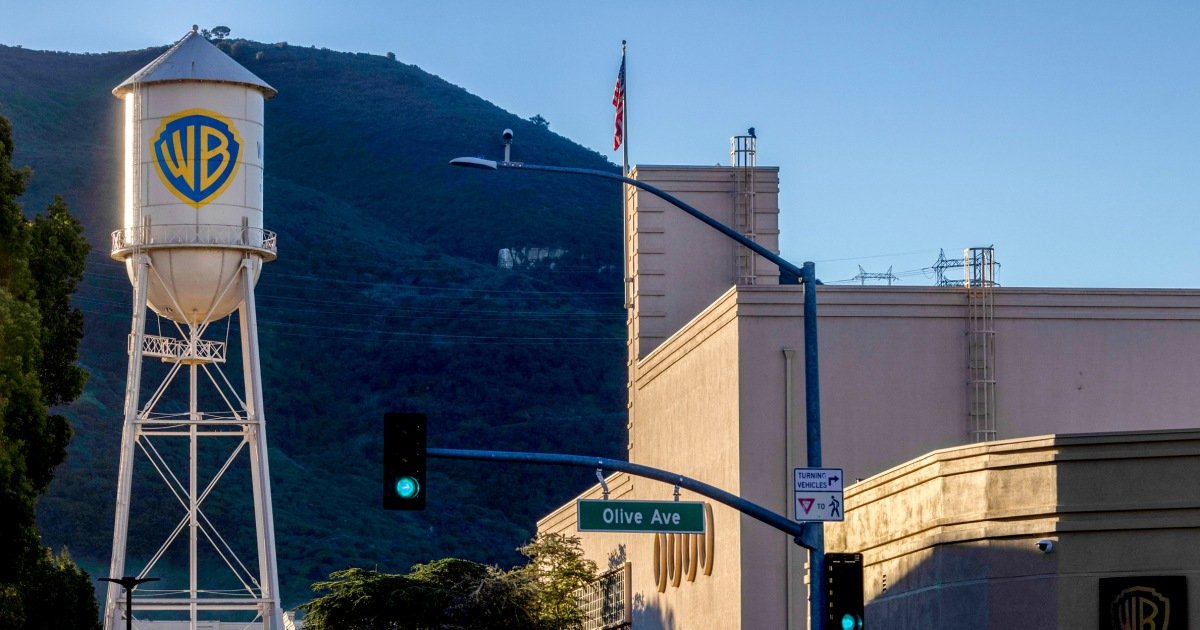
In a decisive move, Warner Bros. Discovery announced Friday that it has agreed to sell its streaming and studio assets to Netflix in a deal valued at $82.7 billion, setting the stage for one of the largest and most consequential mergers in modern Hollywood history.
If approved by federal regulators, the transaction promises to create a new entertainment and media giant, uniting the world’s largest streaming destination with a historic 102-year-old movie studio.
Warner Bros.’ Its portfolio includes HBO, the HBO Max streaming platform and the “Harry Potter” film franchise. Netflix, home of “Stranger Things” and “Squid Game,” reaches more than 300 million paid subscribers in more than 190 countries.
“Our mission has always been to entertain the world,” Netflix co-CEO Ted Sarandos said in a press release. ‘By combining Warner Bros.’ Incredible library of shows and movies, from timeless classics like Casablanca and Citizen Kane to modern favorites like Harry Potter and Friends, with our culture-defining titles like Stranger Things, KPop Demon Hunters and Squid Game, we’ll be able to do even better. “Together, we can give audiences more of what they love and help define the next century of storytelling.”
Netflix’s acquisition of Warner Bros. marks the beginning of a new era for Hollywood, which has evolved from a business focused on theatrical exhibition to an increasingly digital industry. The acquisition cements Netflix’s market dominance and expands the company’s content library as it takes on tech giants like YouTube and TikTok.
The deal would give Netflix access to popular and lucrative intellectual property, including DC Comics characters such as Batman and Superman; the television saga “Game of Thrones”; and a vast trove of titles ranging from “Casablanca” and “Dirty Harry” to “Dune” and “Barbie.”
In the lead-up to the announcement, Netflix attempted to reassure the creative community by reportedly promising to release Warner Bros. films in traditional theaters. But many filmmakers are skeptical of Netflix’s business model, which prioritizes streaming distribution.
In a Friday news release announcing the deal, the companies said the acquisition would be a combination of cash and stock that valued Warner Bros. Discovery at $27.75 per share, with an enterprise value of $82.7 billion and an equity value of $72 billion, which takes into account Warner Bros. debt. In trading Thursday, Warner Bros. Discovery’s total market capitalization (the value of the company based on the price of its shares) was 60 billion dollars.
The size of Netflix’s offer for the Warner and HBO streaming divisions was surprising: The streaming giant paid $72 billion for those two divisions alone, more than the $60 billion market value of the entire company today. To help complete the cash portion of the deal, Netflix said it would seek a $59 billion bridge loan from three major banks.
Warner Bros. Discovery, burdened by billions in debt and lackluster streaming growth, formally put itself up for sale in the fall. The company’s bidders included Paramount, Skydance and Comcast, each of which submitted bids in a largely secret process. (Comcast owns NBCUniversal, the parent company of NBC News.)
“Today’s announcement combines two of the world’s largest storytelling companies to bring more people the entertainment they love to watch,” David Zaslav, president and CEO of Warner Bros. Discovery, said in a press release. “For more than a century, Warner Bros. has thrilled audiences, captured the world’s attention and shaped our culture. By joining Netflix, we will ensure that people around the world continue to enjoy the world’s most resonant stories for generations to come.”
The alliance would not include Warner-owned cable channels such as CNN and TNT.
Paramount was widely seen as the favorite in the bidding war due to the company’s deep pockets and political ties. David Ellison is the son of Larry Ellison, the Silicon Valley mogul and friend of President Donald Trump.
The corporate merger between Warner Bros. and Netflix still faces potential political challenges and antitrust scrutiny.
In late November, three senators (Elizabeth Warren of Massachusetts, Bernie Sanders of Vermont, and Richard Blumenthal of Connecticut) sent a letter to the Justice Department’s Antitrust Division warning that any potential Warner Bros. merger could be affected by “political favoritism and corruption.”
Rep. Darrell Issa, R-Calif., sent a letter to Attorney General Pam Bondi the same month, warning that merging Netflix with HBO Max would create a company with a share of more than “30 percent of the streaming market — a threshold traditionally viewed as presumptively problematic under antitrust law.”
In early December, an anonymous group of “concerned feature film producers” reportedly sent a letter to Congress urging them to publicly oppose Netflix’s bid and give the potential deal “the highest level of antitrust scrutiny,” according to Variety.
The deal could also draw the attention of state regulators.
In a statement, a spokesperson for the California attorney general’s office said: “The Department of Justice believes that further consolidation in markets that are central to American economic life – whether in the financial, airline, grocery, or broadcasting and entertainment markets – does not serve the American economy, consumers, or competition well.”
“We are committed to protecting consumers and California’s economy from consolidation that we consider illegal,” the spokesperson added.
Warner Bros. has been owned by various corporate entities since its founding in 1923, and the company’s recent history is especially complex. It was acquired by AT&T for $85 billion in 2016. AT&T then spun off the assets of Warner Bros., which merged with Discovery in 2022.