




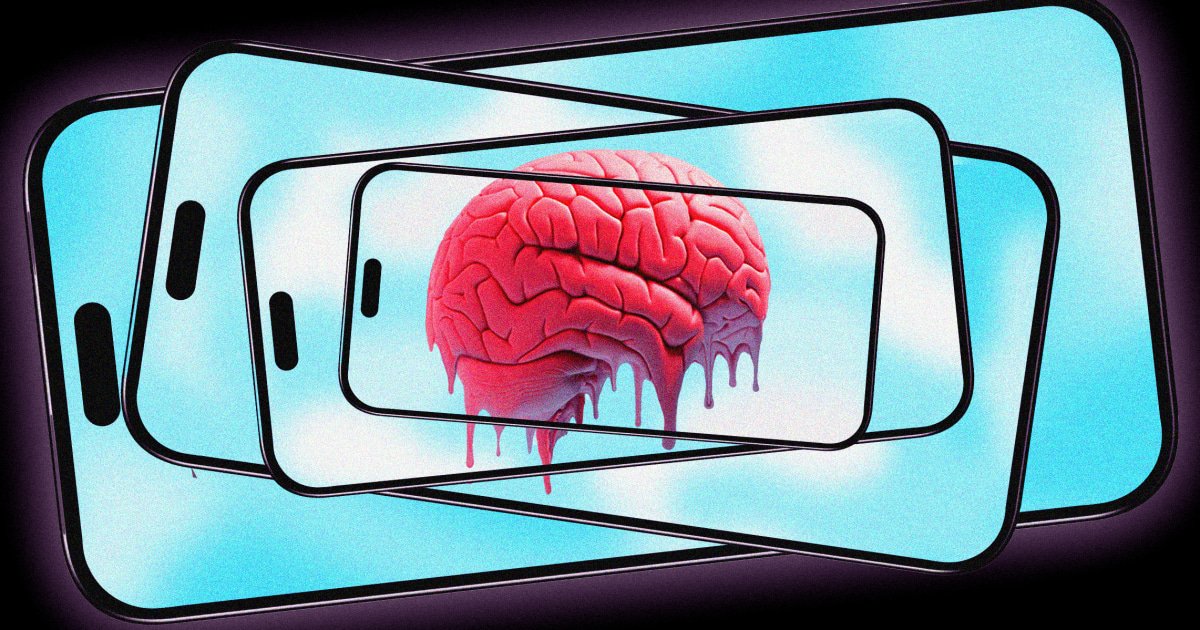
With short-form videos dominating social media, researchers are racing to understand how this engaging, algorithm-driven format may be remodeling the brain.
From TikTok to Instagram Reels to YouTube Shorts, short-form video content has become a cornerstone of almost every online platform, including LinkedIn and even Substack. But increasingly, studies are finding associations between excessive consumption of short videos and challenges with concentration and self-control.
The research, while still early, appears to echo widespread concerns about “brain rot,” an Internet slang term that Oxford University Press defines as “the alleged deterioration of a person’s mental or intellectual state.” (The term became so common that the academic publisher crowned it the word of the year for 2024.)
A September review of 71 studies totaling nearly 100,000 participants found that excessive consumption of short-form videos was associated with worse cognition, especially when it came to attention span and impulse control, based on a combination of behavioral tests and self-reported data.
The review, published in Psychological Bulletin, a journal of the American Psychological Association, also found links between excessive video consumption and increased symptoms of depression, anxiety, stress and loneliness.
A paper published in October, which summarized 14 studies on the use of short-form videos, similarly described associations between heavy use and shorter attention spans, as well as poorer academic performance.
Despite growing alarm, some researchers say the long-term picture is still unclear.
James Jackson, a neuropsychologist at Vanderbilt University Medical Center, said there’s a long history of people fighting against new technologies and cultural phenomena, whether it’s video games or Elvis concerts. He is therefore cautious about overreacting to the rise of short-form video, but still believes many of the concerns are justified.
“The narrative that the only people who are worried about this are grumpy old grandparents yelling at you to get out of their yard or the idea that if you’re worried about this you’re out of touch, I think it’s really simplistic,” Jackson said.
Current research on the topic, he said, suggests that short-form videos in general appear to have harmful effects on the brain when consumed in large doses. But more research will be needed to look into nuances, such as who is most vulnerable, how permanent the effects are, and what particular mechanisms cause harm.
Diagnoses of attention-deficit/hyperactivity disorder are increasing in the U.S. About 1 in 9 children had received a diagnosis of ADHD by 2022, according to the Centers for Disease Control and Prevention.
But Keith Robert Head, a doctoral student in social work at Capella University in Minneapolis and author of the October paper, said there is an overlap between the symptoms of ADHD and the risks he identified.
“So one of the questions that would be interesting for researchers to study is: Are these ADHD diagnoses actually ADHD or are they an impact of continued use of short-form videos?” The head said.
Three Experts told NBC News that research on the long-term impacts of excessive use of short videos is still emerging, especially in the US. However, studies from researchers around the world, including the United Kingdom, Jordan, Saudi Arabia and Egypt, have also found associations between video consumption and problems such as attention problems, memory disorders and cognitive fatigue.
However, those studies do not establish cause and effect, and so far most describe only a moment in time, rather than following subjects over a longer period.
Dr. Nidhi Gupta, a pediatric endocrinologist who researches the effects of screen time, said that while much of the existing research on short-term video consumption has focused on younger people, she’s eager to see more attention paid to older adults. They often have time on their hands and are less technologically savvy, so they could also be vulnerable to the risks of short-form content, he said.
Gupta added that many years of additional studies may be needed to determine whether the cognitive changes associated with short-form media consumption are reversible. But he worries it has created a new kind of addiction: He describes it as “video games and television on steroids.”
“It may be too early to say that the catastrophe is universal,” said Gupta. “Research on alcohol, cigarettes and drugs took 75 years or more to develop. But I would be surprised if, in the next five to ten years, we don’t have similar signals validating the moral panic we have around short-form video.”
Jackson, however, said short videos can also be useful, as they have created opportunities for learning and community building online.
What’s important, he said, is balance: “There are people who engage with short videos in ways that are certainly value-added. But if their engagement takes them away from other, healthier opportunities, if it isolates them from other people, if it creates situations in which they’re less and less likely to just sit and get bored, I think that’s a problem.”